
WINTER VITAMINS WE NEED
In Ireland, where the climate is particularly challenging due to limited winter sunlight and changing dietary habits, it is essential to monitor intake of essential vitamins, particularly vitamin D and vitamin C. These nutrients play critical roles in immunity, bone strength, skin health, and energy levels. Ensuring adequate amounts can help support long-term well-being and reduce the risk of common seasonal health concerns.
Vitamin D: The One We All Struggle With in Ireland
Supports the Strength of your muscles & Bones
Vitamin D helps your body soak up calcium and phosphorus, which both keep your bones strong and your muscles working properly. Without it, we can weaken our bones and lose some of our muscles, which we definitely don't want!
In Ireland, bone health is a big priority, especially for older adults, but remember kids and teens need it too because their bones are still growing.
Helps Your Immune System Fight Off Every Bug Going
Vitamin D acts as a regulator of the immune system, supporting the body in defending against viruses and bacteria. Research shows that people with lower vitamin D levels may be more prone to frequent colds, respiratory infections, and slower recovery times.
Since we spend half the year in jumpers, indoors, or under grey skies, lots of people in Ireland end up low in vitamin D, especially in the winter.
Who’s most at risk?
Anyone who doesn’t get much sun (so… half the country).
People with darker skin.
Older adults.
People who cover their skin for cultural or personal reasons.
Keeping your levels up can help your body deal better with common colds, flus, and whatever your kids bring home from school!
Supports Your Mood, No one wants that seasonal depression to kick in.
Ever notice your mood drops once the clocks go back? The sun disappears, it rains sideways for months, and suddenly you’re feeling a bit meh.
Vitamin D plays a role in mood regulation, and low levels are linked to the “winter blues.” So keeping your Vitamin D topped up may help you stay that bit brighter during the darker days.
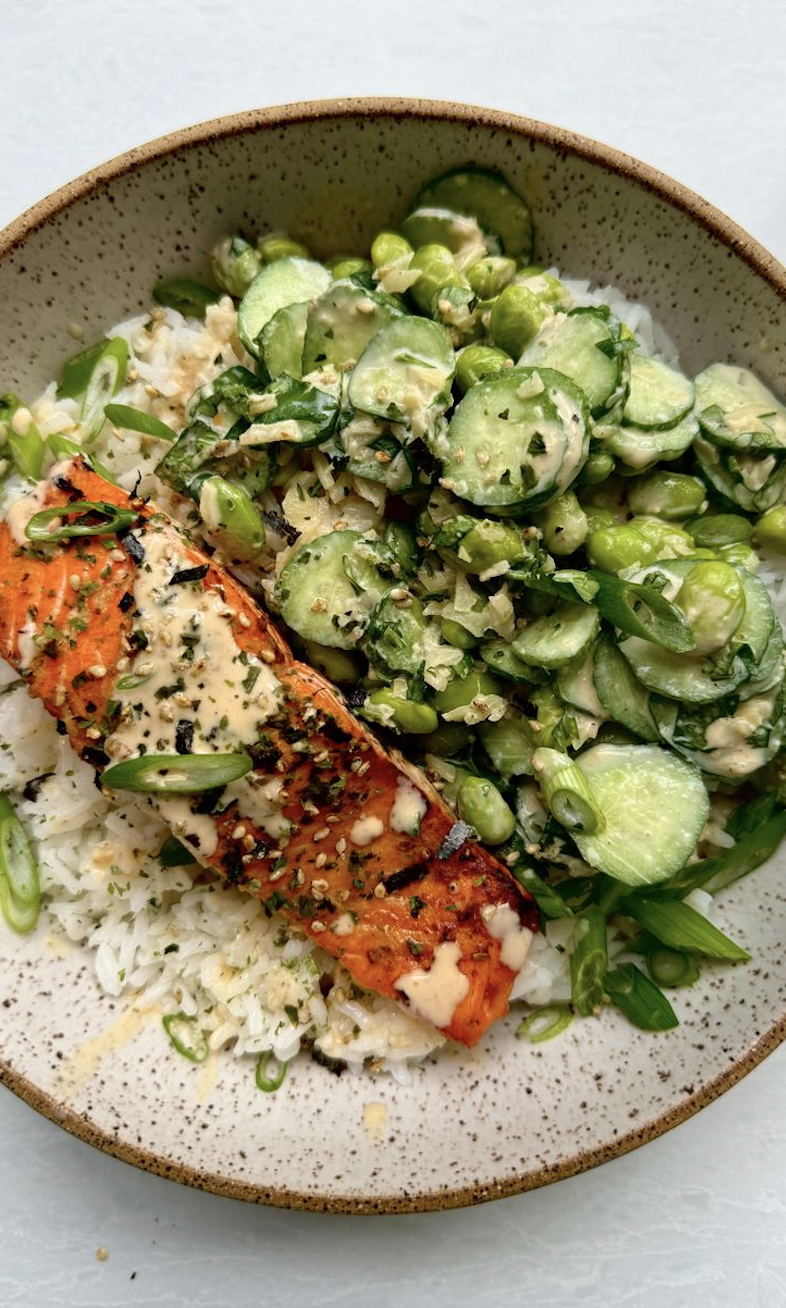
Sources of Vitamin D in Ireland
Because natural sunlight is the primary source of vitamin D, and Ireland receives limited UV exposure from October to March, it is difficult to rely on sunlight alone. Important sources include:
Sun Exposure
On brighter days from spring to early autumn, short periods of outdoor activity—without sunscreen on the forearms or lower legs for about 10–15 minutes—can support vitamin D production. However, this is dependent on weather conditions and individual skin type.
Food Sources
Although only a small number of foods naturally contain vitamin D, including:
Oily fish (salmon, mackerel, trout, sardines)
Eggs
Many Irish households also benefit from vitamin D-fortified foods, such as:Fortified milk
Fortified yoghurts
Fortified breakfast cereals
Plant-based milks (soy, oat, almond)
Supplements
The HSE recommends daily vitamin D supplements and these supplements are often necessary in the winter months when sunlight levels are insufficient for natural production.
Vitamin C: Your Everyday “Feel-Good” Vitamin
Boost Your Immune System
Vitamin C helps your white blood cells do their job and protects them from damage. Basically, it’s like giving your immune system a cup of coffee. Given Ireland’s long, cold and flu season, maintaining adequate vitamin C levels throughout the year can help support immune resilience and improve recovery when illness does occur.
Helps Maintain Healthy Skin and Tissue
Vitamin C is essential for the production of collagen, a structural protein responsible for healthy skin, gums, cartilage, and blood vessels. Collagen keeps the skin firm, aids wound healing, and supports overall tissue repair.
For people living in a climate like Ireland, where cold weather, wind, and indoor heating can dry out the skin, vitamin C intake plays an important role in supporting skin health and vitality year-round.
Boosts Iron Absorption, Ireland has relatively high rates of low iron levels
Vitamin C significantly increases the body’s ability to absorb non-heme iron (the type found in plant foods). Pairing iron-rich foods such as spinach, lentils, and fortified cereals with vitamin C-rich fruits or vegetables can improve iron uptake and reduce the risk of deficiency.
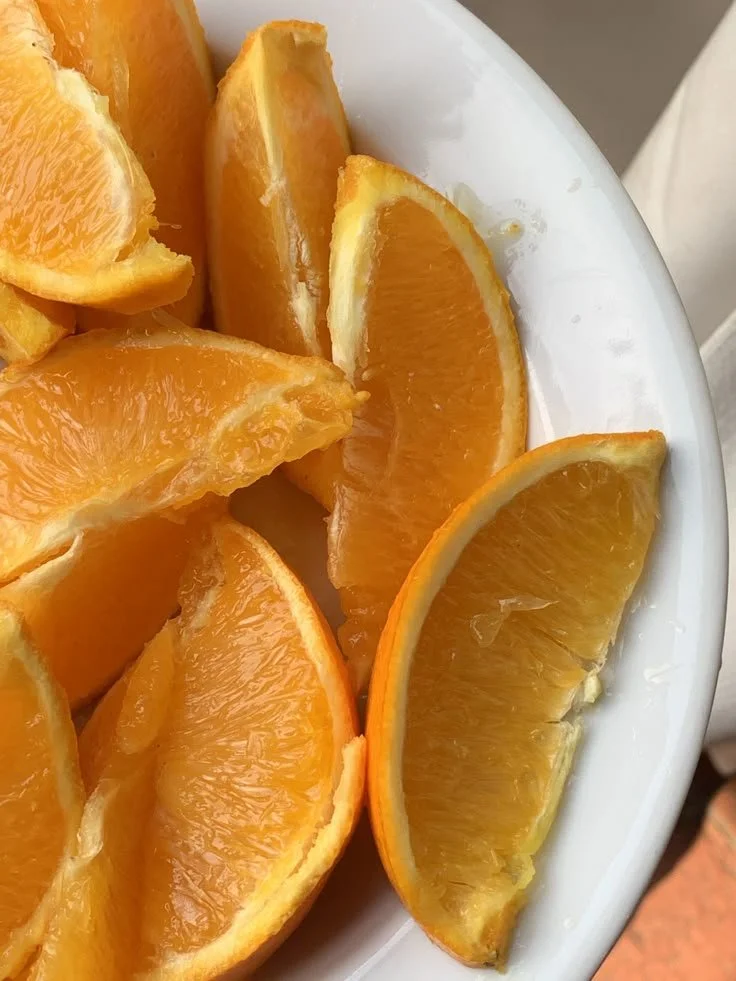
Sources of Vitamin C, Hint: It’s Everywhere
Sources of Vitamin C in Fruit
Oranges | Kiwis | Strawberries | Blackcurrants | Apples | Lemons | Blueberries
Sources of Vitamin C in Vegetables
Peppers | Broccoli | Cabbage | Kale | Brussels sprouts | Spuds (yes, really!)
Vitamin C is sensitive to heat, so raw or lightly cooked veg keeps more of the good stuff intact.
Supplements are fine, but most people get enough from their diet without trying too hard.
Why Adequate Levels Matter in an Irish Context
In Ireland, inadequate intake of vitamins, especially vitamin D, is relatively common. Factors such as reduced sunlight, indoor working environments, and winter weather contribute to deficiency risk.
Ensuring good levels of both vitamin D and vitamin C supports:
Strong bones and muscles
Efficient immune response
Healthy skin and wound healing
Improved energy and vitality
Better long-term health outcomes
Proactive supplementation and dietary awareness can make a significant difference, particularly during the darker months.
How to Maintain Healthy Levels
Include more fruits and vegetables in your daily meals, focusing on those rich in vitamin C.
Eat oily fish such as salmon or mackerel once or twice a week.
Choose fortified foods, especially in winter.
Get safe sunlight exposure during late spring and summer.
Follow HSE guidance on supplements for vitamin D, particularly in winter or if you are in an at-risk group.
Ask your GP for a blood test if you suspect a deficiency or experience symptoms such as persistent tiredness, bone discomfort, or frequent infections.