
The Lymphatic System
The lymphatic system is one of the most important and most overlooked systems in the body. While it doesn’t get the attention of muscles, joints, or the cardiovascular system, it plays a critical role in how you feel day to day.
If you’ve ever experienced persistent bloating, puffiness, heaviness in the limbs, frequent fatigue, or that general feeling of being “out of sync,” your lymphatic system may need more support. At APC, we see lymphatic health as a foundational part of movement, recovery, and overall well-being.

What Is the Lymphatic System?
The lymphatic system is part of both your immune system and your body’s natural detoxification process. It’s made up of lymph vessels, lymph nodes, and lymph fluid, which work together to:
Remove waste products and toxins
Reduce inflammation and swelling
Support immune function
Maintain fluid balance in the body
Unlike the heart, the lymphatic system does not have its own pump. This means lymph fluid relies entirely on movement, breathing, and muscle contraction to circulate effectively.
When lymph flow slows, fluid and waste can build up. Over time, this can show up as swelling, fatigue, brain fog, digestive discomfort, or a sense of physical heaviness.

Some Signs Your Lymphatic System May Be Sluggish
Everyone’s body is different, but common signs of reduced lymphatic flow include:
Puffiness in the face, hands, or ankles
Feeling heavy or stiff, especially in the morning
Bloating or digestive discomfort
Frequent colds or low immunity
Fatigue that doesn’t improve with rest
Supporting lymphatic drainage doesn’t require extreme interventions. In fact, gentle, consistent habits are often the most effective.
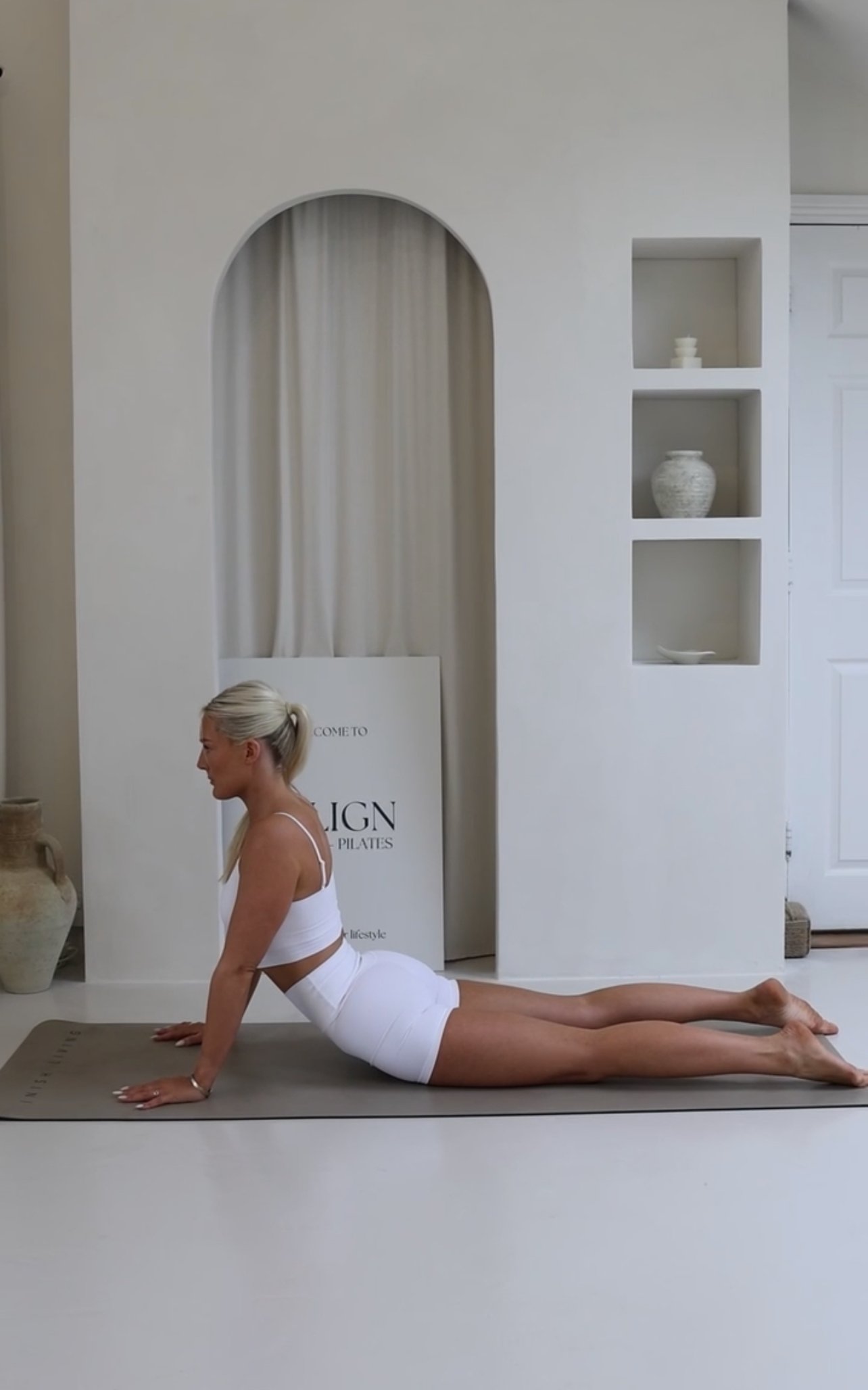
How Pilates Naturally Supports Lymphatic Drainage
Pilates is uniquely suited to supporting lymphatic health.
The combination of controlled movement, deep diaphragmatic breathing, and rhythmic muscle engagement creates ideal conditions for lymph flow, particularly through the abdomen, pelvis, and spine, where lymph congestion commonly occurs.
Key elements of Pilates that benefit the lymphatic system include:
Breath-led movement, which acts as an internal pump
Spinal mobility, supporting circulation through the torso
Gentle muscular activation, encouraging fluid movement without stress
Low-impact flow, which supports the nervous system rather than overwhelming it
This is why many people leave a Pilates class feeling lighter, clearer, and more energised, not just stronger.
Everyday Ways to Support Lymphatic Drainage
-
Movement is the natural pump for your lymphatic system. Walking, Pilates, stretching, or gentle mobility work all stimulate lymph flow. Even short sessions matter; 10 minutes of light activity several times a day can be more effective than a single intense workout.
Tips:
Take short movement breaks if you sit at a desk stand, stretch, or walk around.
Try incorporating gentle Pilates or yoga sequences that focus on core engagement and spinal mobility.
Even household activities like tidying, gardening, or taking the stairs count as movement.
-
Your diaphragm is a major driver of lymph flow. Slow, deep breaths expand the chest and ribs, compressing and releasing lymph vessels to encourage circulation.
Tips:
Practice 5–10 deep diaphragmatic breaths at the start of the day or between tasks.
Focus on fully filling your lungs, allowing your belly and lower ribs to expand.
Combine with gentle stretching or movement to amplify the effect.
-
Lymph fluid is mostly water. Without adequate hydration, lymph can become sluggish, slowing detoxification and leaving the body feeling heavy.
Tips:
Aim for at least 2 litres of water per day, adjusting for activity levels and climate.
Keep a reusable water bottle nearby and sip consistently.
Add lemon, cucumber, or mint to your water if plain water feels boring.
-
Morning stiffness or puffiness can be a sign of lymph stagnation overnight. Starting the day with gentle movement helps reactivate lymph flow and kickstart circulation.
Tips:
Begin with light stretches, spinal rolls, or mobility exercises.
Take a short walk outside to combine movement with fresh air.
Integrate a few deep breaths into your morning routine to wake up your lymphatic system.
-
Small, easy practices can complement movement and breathing to encourage lymphatic drainage.
Examples:
Dry brushing: Gently brush your skin towards the heart before showering to stimulate circulation.
Self-massage: Use light pressure along the limbs and torso to encourage lymph movement.
Leg elevation: Lie down with legs slightly raised for a few minutes to assist fluid return, especially after long periods of sitting or standing.
Stretching breaks: Incorporate mini-stretches throughout your day to reduce stagnation in the muscles and tissues.