
Fibre and Protein
The Dynamic Duo of Modern Nutrition
These two essential components of a balanced diet play crucial, complementary roles in supporting overall health, from muscle maintenance to gut function, energy balance, and disease prevention
Fibre
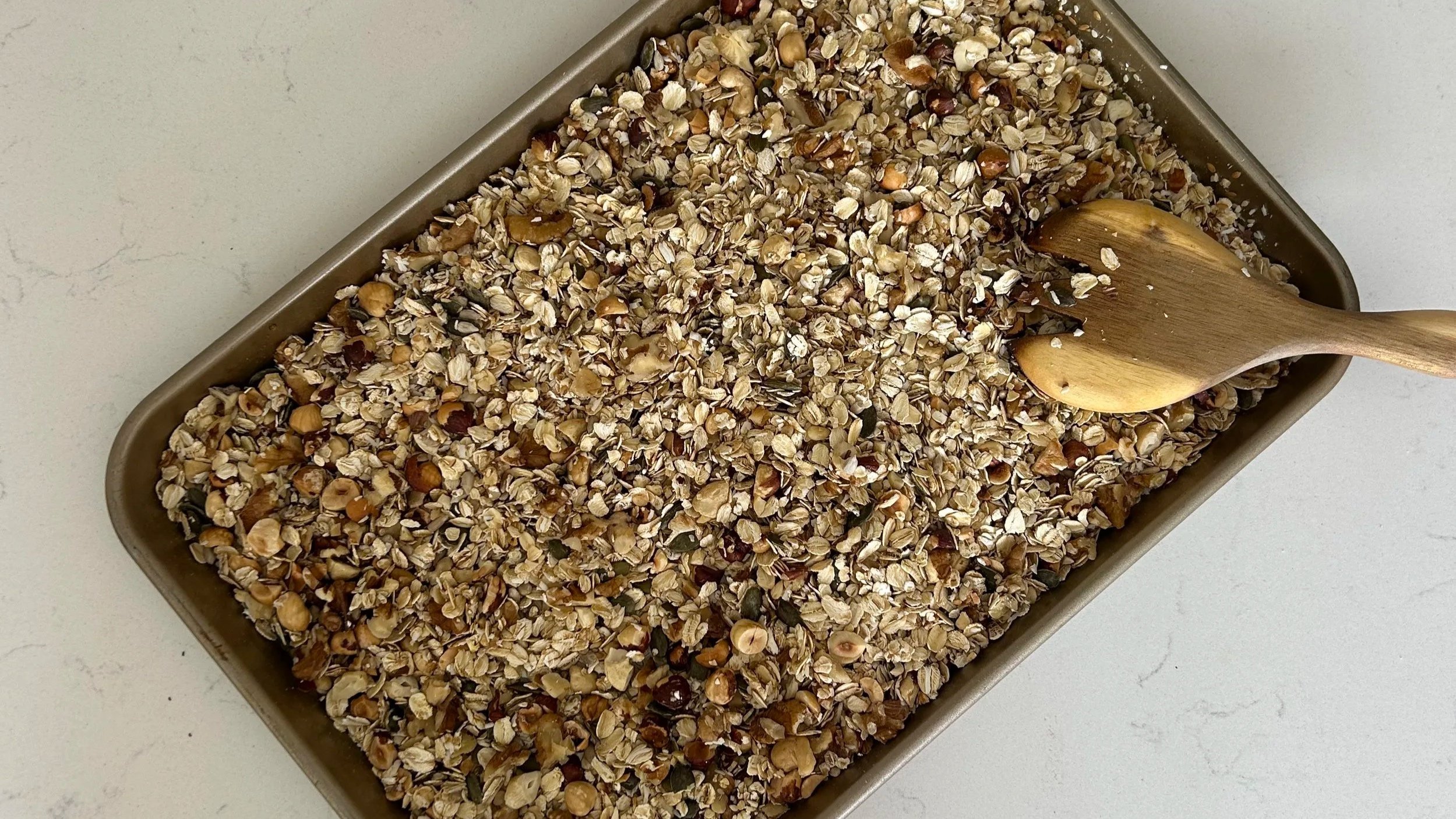
Dietary fibre is a type of carbohydrate that the body cannot fully digest. Found in plant-based foods like fruits, vegetables, whole grains, legumes, nuts, and seeds, fibre comes in two main forms:
Soluble fibre, which dissolves in water to form a gel-like substance, helps lower cholesterol and regulate blood sugar.
Insoluble fibre, which adds bulk to stool, aids digestion and prevents constipation.
Beyond keeping your digestive system running smoothly, fibre offers wide-ranging benefits:
Supports gut health by feeding beneficial bacteria (the gut microbiome).
Helps manage weight by promoting fullness and reducing overeating.
Lowers disease risk, including heart disease, type 2 diabetes, and some cancers.
Fibre: Adults should aim for 25–35 grams per day.
Yet despite its importance, fibre is one of the most commonly under-consumed nutrients, with most adults getting only about half of the recommended daily intake.
-
Start your day with whole grains – Swap white toast or cereal for oats, bran flakes, or whole-grain bread.
Add fruit and veggies to every meal – Aim for color and variety (berries, carrots, leafy greens, apples).
Snack smart – Choose nuts, seeds, popcorn, or veggie sticks with hummus instead of chips or biscuits.
Include legumes regularly – Add lentils, beans, or chickpeas to soups, salads, and curries.
Go for “whole” instead of “refined” – Choose brown rice, quinoa, or wholemeal pasta over white versions.
Protein

Protein is made up of amino acids, the building blocks of the body. It is vital for muscle repair and growth, immune function, hormone production, and even the structure of skin, hair, and nails.
Sources of protein include:
Animal-based: meat, poultry, fish, eggs, dairy
Plant-based: beans, lentils, tofu, nuts, seeds, and whole grains
Adequate protein intake is essential for maintaining lean muscle mass, especially as we age. It also contributes to satiety, keeping you full for longer, which can support healthy weight management
Protein: Aim for about 0.8–1.2 grams per kilogram of body weight (more for athletes or older adults).
-
Include a protein source at every meal – Eggs, yoghurt, tofu, chicken, or beans help you stay full longer.
Snack on protein-rich foods – Greek yogurt, cottage cheese, boiled eggs, or a handful of nuts.
Try plant-based proteins – Mix in lentils, quinoa, tempeh, or edamame for variety and fibre too!
Add protein powder to smoothies or oats – A simple boost for busy mornings or workouts.
Combine foods smartly – Pair grains with legumes (like rice + beans) for a complete protein profile.
How Fibre and Protein Work Together & The Benifits
Fibre and protein might seem like very different nutrients, but they work hand in hand in the body:
Satiety synergy: Meals that combine both fibre and protein (like oats with Greek yoghurt or lentil salad with quinoa) help regulate hunger hormones and sustain energy levels throughout the day.
Blood sugar balance: Fibre slows down the absorption of glucose, while protein helps stabilise insulin response — a combination that supports steady energy and reduces sugar cravings.
Digestive and metabolic support: While protein fuels muscle repair, fibre keeps the gut healthy, which in turn aids nutrient absorption, including amino acids from protein.
Fibre and protein have become buzzwords in nutrition because they’re central to solving many modern health challenges:
Weight management: High-protein, high-fibre diets promote fullness and reduce snacking.
Gut health movement: With growing awareness of the microbiome’s role in immunity and mood, fibre has taken center stage.
Active lifestyles: More people are focused on fitness and muscle preservation, increasing interest in protein-rich foods.
Plant-based eating trends: As more people shift toward plant-based diets, finding the right balance of fibre and protein has become a key nutritional goal.
Fibre and protein are not just individual nutrients; they’re partners in promoting energy, satiety, and overall health. Prioritising both in your diet can improve digestion, support metabolism, and help prevent chronic disease.
As nutrition science continues to evolve, one thing is clear: fibre and protein truly are the power pair of modern nutrition.